
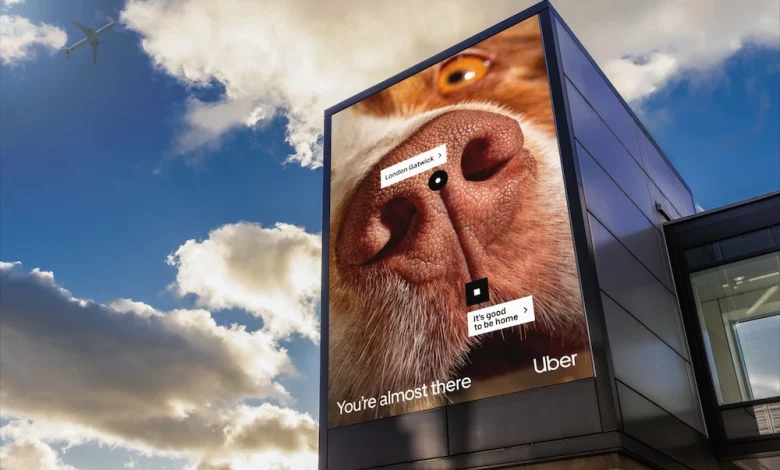
Modern advertising is no longer based on guesswork or intuition alone. It is deeply rooted in consumer psychology, the study of how people think, feel, and behave when making purchasing decisions. By understanding psychological triggers, brands design campaigns that connect emotionally, influence perception, and motivate action in highly competitive markets.
Understanding Consumer Psychology in Advertising
Consumer psychology examines the mental and emotional processes that drive buying behavior. Advertisers use these insights to predict how audiences will respond to messaging, visuals, and brand positioning.
Key psychological factors include:
-
Perception and attention
-
Motivation and needs
-
Emotions and memory
-
Social influence
-
Decision-making patterns
When campaigns align with these factors, advertising becomes more persuasive and memorable.
Emotional Appeal and Decision Making
Emotions play a dominant role in consumer choices. People often justify purchases logically, but the initial decision is frequently emotional.
Why emotions matter in advertising
-
Emotional content is easier to remember
-
Feelings create stronger brand connections
-
Positive emotions increase trust and loyalty
-
Fear or urgency can trigger immediate action
Modern campaigns use storytelling, visuals, and tone to evoke emotions such as happiness, belonging, excitement, or reassurance.
The Power of Social Proof
Humans are naturally influenced by the behavior and opinions of others. This psychological principle, known as social proof, is widely used in advertising.
Common forms of social proof include:
-
Customer reviews and testimonials
-
Influencer endorsements
-
User-generated content
-
Popularity indicators such as ratings or usage numbers
When consumers see others validating a product or service, perceived risk decreases and confidence increases.
Cognitive Biases That Influence Buying Behavior
Advertising often works by aligning with natural cognitive shortcuts the brain uses to process information quickly.
Key cognitive biases used in advertising
-
Scarcity bias: Limited-time offers increase urgency
-
Anchoring effect: Initial pricing influences value perception
-
Reciprocity principle: Free value encourages return actions
-
Confirmation bias: Messaging reinforces existing beliefs
By ethically leveraging these biases, brands guide consumers toward favorable decisions without overwhelming them.
Personalization and Psychological Relevance
Personalized advertising is effective because it taps into the human desire for relevance and recognition.
Why personalization works:
-
Feels more human and less intrusive
-
Matches individual needs and preferences
-
Increases engagement and conversion rates
-
Strengthens emotional brand relationships
Data-driven personalization allows advertisers to deliver the right message at the right moment, improving overall campaign performance.
Visual Psychology and Attention Capture
Visual elements are processed faster than text, making them essential in modern advertising.
Visual psychology techniques used in campaigns
-
Strategic use of colors to evoke emotions
-
Facial expressions to create empathy
-
Clean layouts to reduce cognitive load
-
Contrast and motion to draw attention
Effective visuals guide the viewer’s eye and reinforce the message without confusion.
Trust, Authenticity, and Brand Perception
Today’s consumers are highly aware of advertising tactics. Psychological trust plays a major role in campaign success.
Brands build trust by:
-
Using honest and transparent messaging
-
Aligning with shared values
-
Maintaining consistency across platforms
-
Showing real people and authentic stories
Trust-driven advertising strengthens long-term brand equity rather than short-term sales alone.
The Role of Habit Formation in Advertising
Repeated exposure influences behavior through habit-building. Familiarity reduces resistance and increases preference over time.
Habit-based advertising focuses on:
-
Consistent brand cues
-
Repetitive but meaningful messaging
-
Seamless user experiences
-
Reinforcing daily use scenarios
Over time, brands become part of the consumer’s routine decision-making process.
Challenges of Using Psychology in Advertising
While powerful, psychological strategies must be applied responsibly.
Common challenges include:
-
Avoiding manipulation or deception
-
Respecting consumer privacy
-
Balancing persuasion with ethics
-
Preventing message fatigue
Ethical advertising prioritizes consumer well-being while still achieving business goals.
Frequently Asked Questions (FAQs)
1. What is consumer psychology in advertising?
It is the study of how thoughts, emotions, and behaviors influence purchasing decisions and brand perception.
2. Why is emotional advertising more effective than rational advertising?
Emotions create stronger memories and connections, often driving decisions faster than logic alone.
3. How does personalization affect consumer behavior?
Personalization increases relevance, engagement, and trust by addressing individual preferences and needs.
4. What role do colors play in advertising psychology?
Colors evoke emotions and influence perception, helping shape how consumers feel about a brand.
5. Is using psychology in advertising ethical?
Yes, when used transparently and responsibly without misleading or exploiting consumers.
6. How does repetition influence advertising effectiveness?
Repetition builds familiarity, which increases trust and brand preference over time.
7. Can small businesses benefit from consumer psychology strategies?
Absolutely, even simple psychological insights can significantly improve messaging and conversions.