
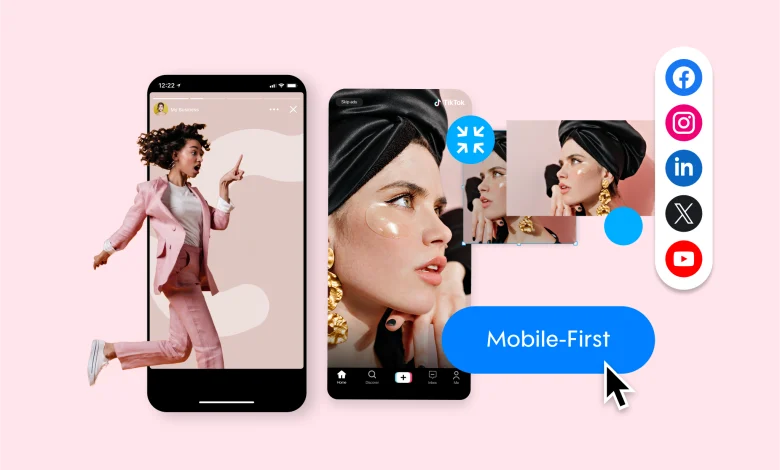
Mobile-first advertising has reshaped how consumers interact with brands, content, and purchasing journeys. As smartphones become the primary digital touchpoint, advertising strategies increasingly prioritize mobile experiences. This shift has significantly influenced consumer behavior patterns, expectations, and decision-making processes in today’s always-connected world.
Understanding Mobile-First Advertising
Mobile-first advertising is a strategy that designs and delivers advertising experiences specifically for mobile devices before adapting them to other platforms. It reflects the reality that most consumers now access the internet primarily through smartphones.
This approach emphasizes:
-
Fast-loading content
-
Vertical and short-form formats
-
Touch-friendly interactions
-
Context-aware messaging
By aligning with mobile usage habits, advertisers meet consumers where attention is highest.
Rise of On-the-Go Consumer Behavior
Mobile devices have blurred the boundaries between online and offline behavior. Consumers now research, compare, and purchase products anytime and anywhere.
Behavioral shifts driven by mobile usage
-
Shorter attention spans
-
Frequent micro-moments of engagement
-
Instant access to information
-
Preference for quick, frictionless experiences
Advertising that delivers immediate value during these moments is more likely to influence decisions.
Influence on Purchase Decision-Making
Mobile-first advertising has shortened and accelerated the buying journey. Consumers expect answers and solutions instantly.
Key impacts on decision-making include:
-
Increased impulse purchases through one-click actions
-
Higher reliance on reviews and ratings
-
Location-based offers influencing nearby decisions
-
Seamless integration of ads with shopping experiences
Mobile ads that reduce steps between discovery and purchase see higher conversion rates.
Personalization and Contextual Relevance
Mobile devices generate rich contextual data, enabling more personalized advertising experiences.
Why mobile personalization matters
-
Ads adapt to location, time, and behavior
-
Messages feel more relevant and timely
-
Engagement rates increase significantly
-
Brand experiences feel more human
Context-aware mobile advertising aligns closely with consumer intent, enhancing effectiveness.
Visual and Format Preferences on Mobile
Mobile screens demand simplicity and visual clarity. Consumers respond better to content designed specifically for small screens.
Popular mobile-first ad formats include:
-
Short-form video ads
-
Interactive stories and reels
-
Native in-feed advertisements
-
Swipeable and tap-based creatives
These formats match natural scrolling behavior and reduce cognitive effort.
Impact on Brand Expectations
Mobile-first advertising has raised consumer expectations for brands.
Modern consumers now expect:
-
Fast-loading mobile experiences
-
Consistent design across platforms
-
Minimal disruption from ads
-
Clear value in exchange for attention
Brands that fail to meet these expectations risk losing trust and engagement.
Social Media and Mobile Behavior
Social platforms are predominantly mobile-driven, making them central to modern advertising strategies.
Behavioral influences include:
-
Increased peer influence and social proof
-
Higher engagement with visual storytelling
-
Faster spread of trends and brand messages
-
Blending of entertainment and advertising
Mobile-first social ads feel more organic and less intrusive when executed effectively.
Privacy Awareness and Consumer Control
With increased mobile usage comes greater awareness of data privacy. Consumers are more conscious of how their data is used.
Key behavior changes
-
Preference for transparent brands
-
Increased use of privacy controls
-
Selective engagement with ads
-
Expectation of ethical data practices
Advertisers must balance personalization with respect for consumer autonomy.
Challenges of Mobile-First Advertising
Despite its benefits, mobile-first advertising presents challenges.
Common issues include:
-
Ad fatigue on small screens
-
Banner blindness
-
Limited space for messaging
-
Technical performance constraints
Overcoming these challenges requires creativity, testing, and user-centric design.
The Future of Mobile-Driven Consumer Behavior
Mobile-first advertising will continue to shape consumer behavior as technology evolves.
Emerging trends include:
-
Voice-based mobile interactions
-
Augmented reality ad experiences
-
Mobile commerce integration
-
AI-powered personalization
Brands that adapt early will gain stronger emotional and behavioral connections with consumers.
Frequently Asked Questions (FAQs)
1. What is mobile-first advertising?
It is an advertising approach that prioritizes mobile devices in design, messaging, and delivery.
2. How does mobile-first advertising affect consumer attention spans?
It aligns with shorter attention spans by delivering quick, engaging, and visually focused content.
3. Why are mobile ads more personalized than traditional ads?
Mobile devices provide contextual data such as location, behavior, and usage patterns.
4. How has mobile advertising changed purchasing behavior?
It has accelerated decisions, increased impulse buying, and simplified the buying journey.
5. What types of ads perform best on mobile devices?
Short videos, native ads, and interactive formats perform best on mobile platforms.
6. Are consumers concerned about privacy in mobile advertising?
Yes, consumers increasingly value transparency and ethical data usage.
7. Can mobile-first advertising improve brand loyalty?
Yes, when experiences are relevant, fast, and user-friendly, brand loyalty increases.